
Influencer marketing has matured into a key business expense in 2026. Most marketers (87%) are increasing their budgets, creating high demand for effective and affordable platforms. However, a major gap exists in the market: enterprise-level tools are costly, and small businesses need more agile, budget-friendly solutions.
The influencer marketing landscape has shifted. Traditional "all-in-one" platforms are being challenged by modular, AI-driven solutions that offer flexible, pay-as-you-go models or low monthly subscriptions. Whether you’re running a product seeding campaign or creating UGC, small businesses can now access high-quality tools without a five-figure budget.
Below is our comprehensive analysis of the 10 most cost-effective influencer marketing platforms available in 2026.
Top 10 Cheapest Influencer Marketing Platforms for 2026
| Platform | Starting Price | Best For | Key Strength |
|---|---|---|---|
| Scrumball | $0–$32/mo | Small to enterprise teams | AI-driven full workflow automation |
| Shopify Collabs | Free | Shopify e-commerce brands | Built-in affiliate & gifting system |
| Tagshop | $11/mo | Fashion & lifestyle brands | Shoppable influencer content |
| Heepsy | $69/mo | Campaign vetting & research | Influencer discovery + fake follower audit |
| Afluencer | ~$49/mo | Small businesses | Influencers apply to you (no cold outreach) |
| Upfluence | Custom | Mid-sized brands | CRM + customer-to-influencer conversion |
| Aspire | Custom | DTC & UGC brands | Long-term ambassador management |
| Grin | Custom | Scaling DTC brands | Deep revenue attribution tracking |
| Klear | Mid-range | Agencies & analysts | Social listening & competitor insights |
| Creator.co | ~$199/mo | Small teams & solopreneurs | Hybrid platform + managed campaigns |
Platform #1: Scrumball
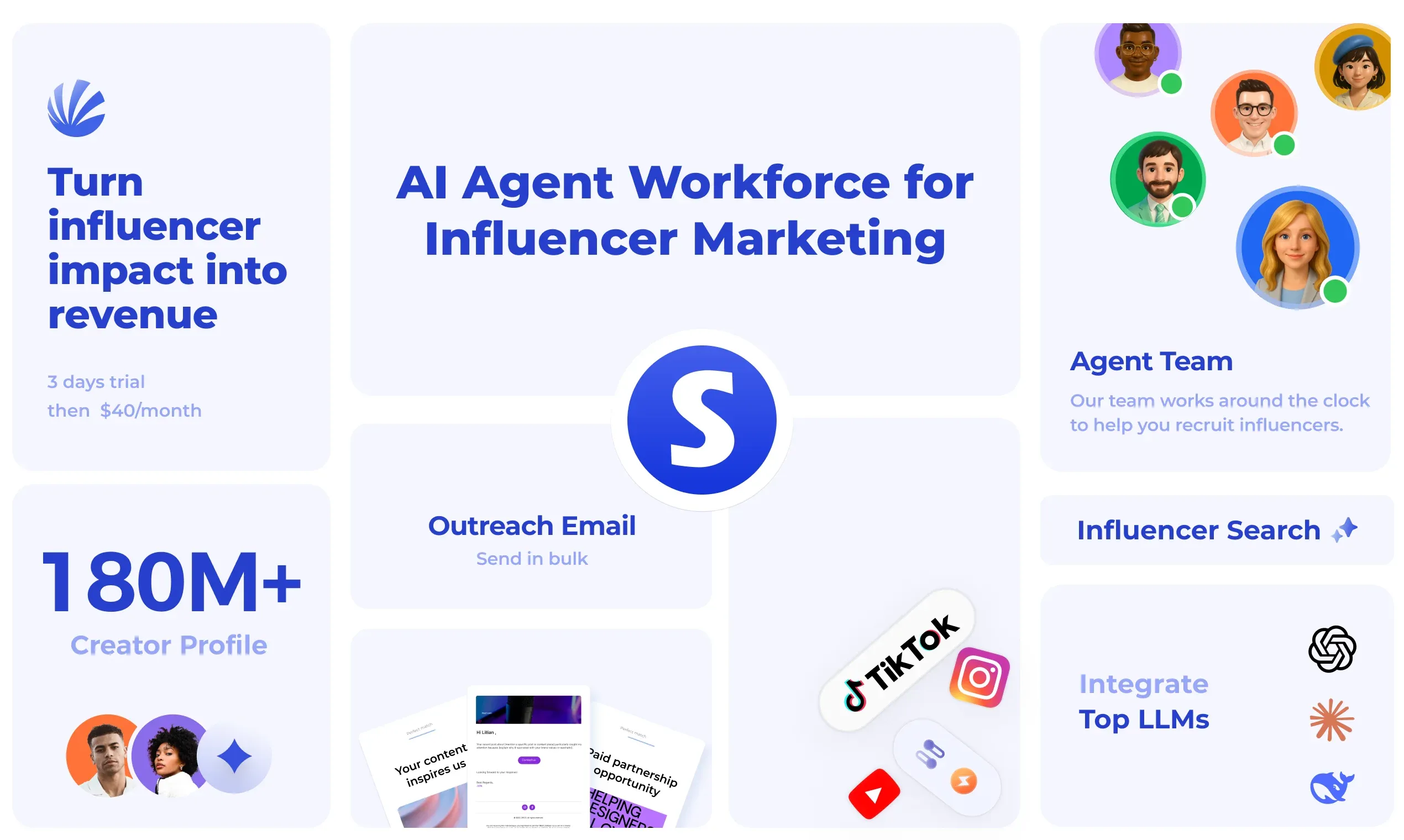
Features
Scrumball is an AI-driven, all-in-one influencer marketing platform for modern marketers. It streamlines discovery, outreach, management, and tracking.
Key Highlights:
- AI Agents: Lilian (Campaign Manager), Hunter (Influencer Matching), Charlie (Influencer Outreach)
- Collaboration: Seamless team workflows and campaign tracking
- Smart Insights: AI identifies creators that match your brand for high ROI
- Value: Enterprise-level AI with free and affordable plans, making it the best influencer marketing platform for small businesses in 2026
Pricing
Scrumball offers highly competitive pricing tiers designed to start from scratch and scale with your business. For more information, please visit Scrumball’s pricing page.
| Plan | Price | Ideal For | Key Features |
|---|---|---|---|
| Free | $0/mo | Personal or small brands | 180M+ influencers, basic search, AI agents Lilian & Hunter |
| Starter | $32/mo | Growing brands | Automated follow-ups, templates, campaign tracking, AI outreach (Charlie) |
| Professional | $299/mo | Teams | Social listening, competitor tracking, team collaboration, support |
| Enterprise | $499/mo | Large campaigns | Advanced CRM, full AI agent access, and content storage |
| Premium | $899/mo | Global agencies | Custom API integration, high credit limits, secure solution |
Best Use Cases
Ideal for businesses of all sizes, from startups using the Free/Starter plans to agencies using the Premium API services, that need a comprehensive tool to manage the entire influencer lifecycle without switching between multiple apps and web platforms.
Platform #2: Shopify Collabs (for Store Owners)
Features:
Shopify Collabs is integrated directly into the Shopify ecosystem, making it one of the easiest influencer marketing platforms for e-commerce brands. Merchants can create application pages for creators, send gifts, and automatically track affiliate sales.
Pricing:
Free for Shopify merchants (included in Shopify subscription plans).
Best Use Cases:
E-commerce brands running affiliate or gifting programs on Shopify, looking for a seamless solution without switching platforms.
Platform #3: Tagshop
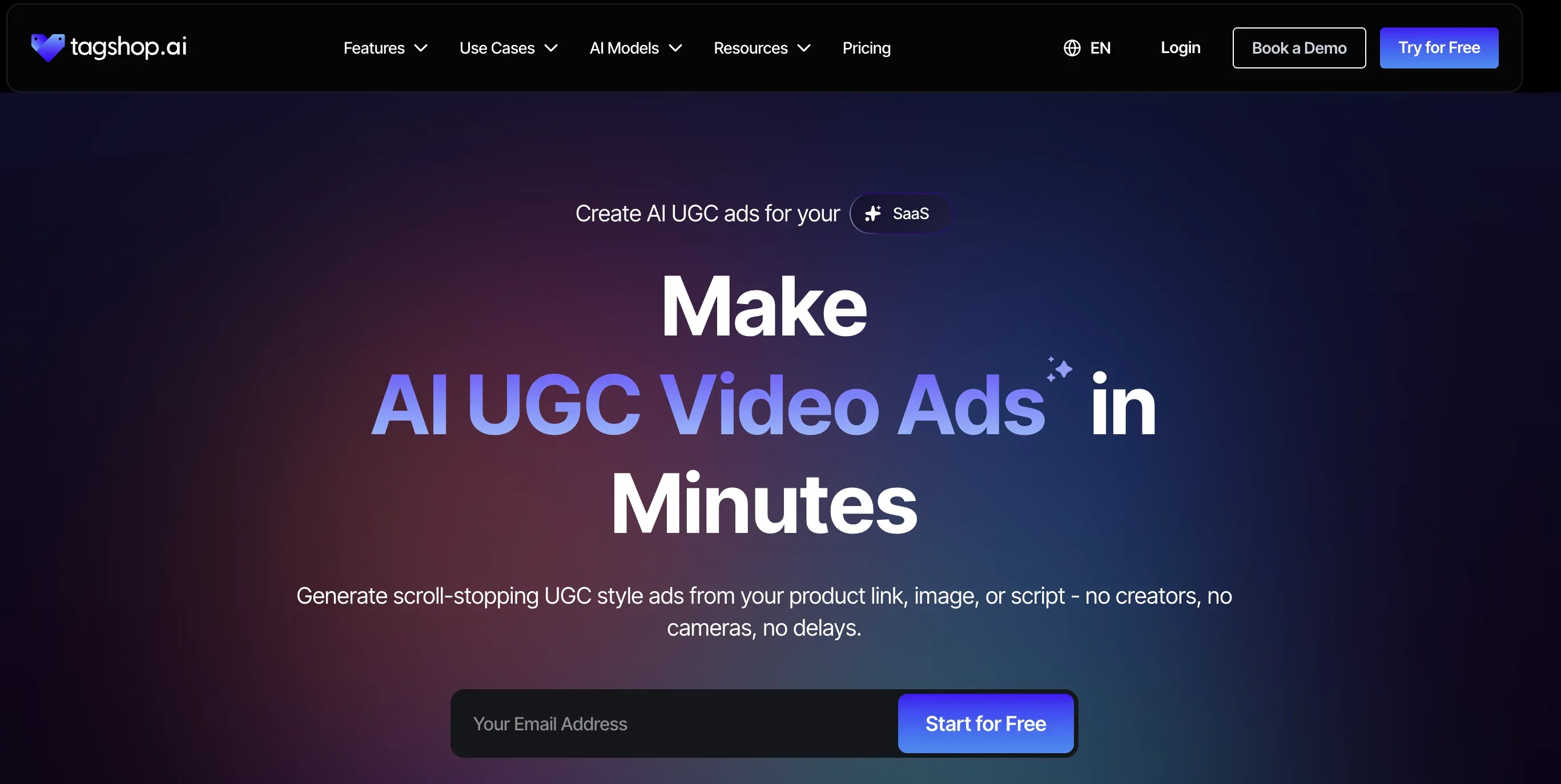
Features:
Tagshop turns influencer content into shoppable galleries, bridging the gap between social media and sales. Its visual commerce approach helps brands boost conversions by showing real customers using products.
Pricing:
Free trial plan; paid plans start at $11/month.
Best Use Cases:
Fashion and lifestyle brands that rely on visual social proof to drive website conversions.
Platform #4: Heepsy
Features:
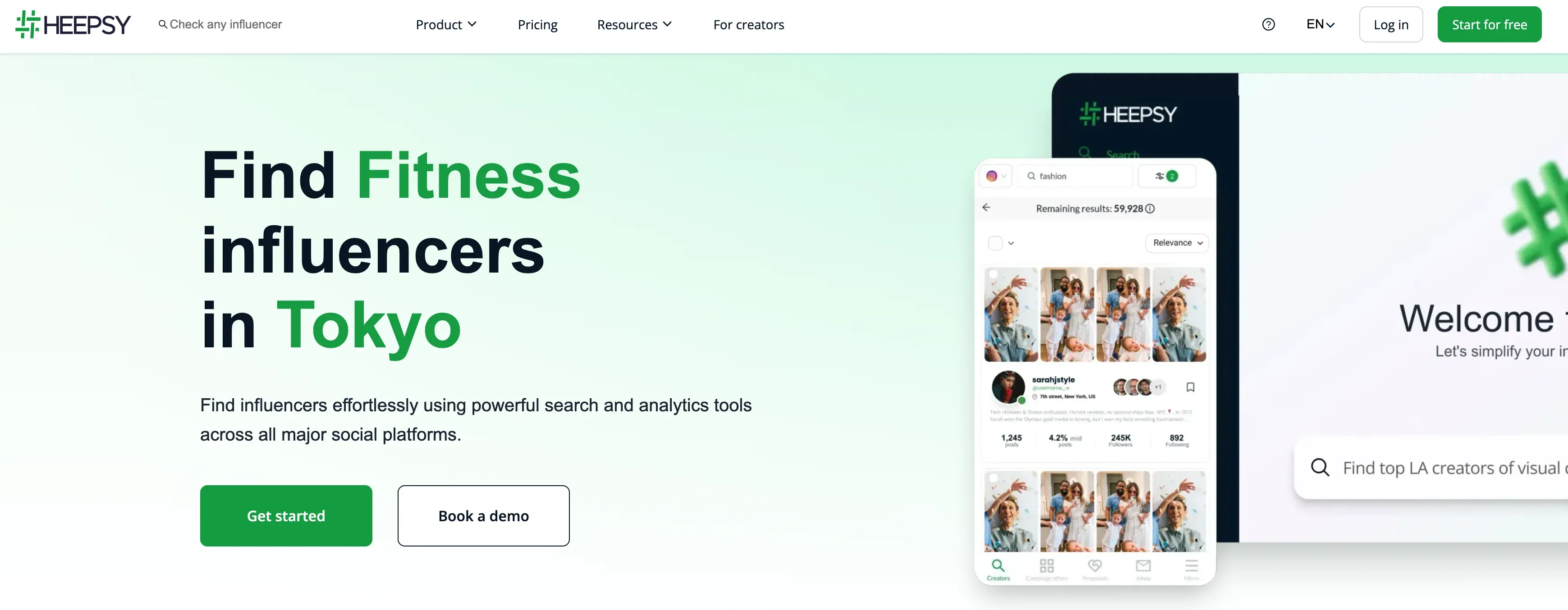
Heepsy is a search-first influencer marketing platform that helps brands find influencers by location, niche, and engagement rate. Its Fake Follower Audit ensures you invest in real creators, not bots.
Pricing:
Free trial; paid plans start at $69/month.
Best Use Cases:
Brands that need accurate influencer vetting before launching campaigns.
Platform #5: Afluencer
Features:
Afluencer acts as a matchmaking platform where influencers apply to brand opportunities ("Collabs"), reversing traditional outreach. This saves small businesses time and effort.
Pricing:
Plans often start at around $49/month and are tailored for small businesses.
Best Use Cases:
Small brands that want influencers to approach them instead of cold outreach.
Platform #6: Upfluence
Features:
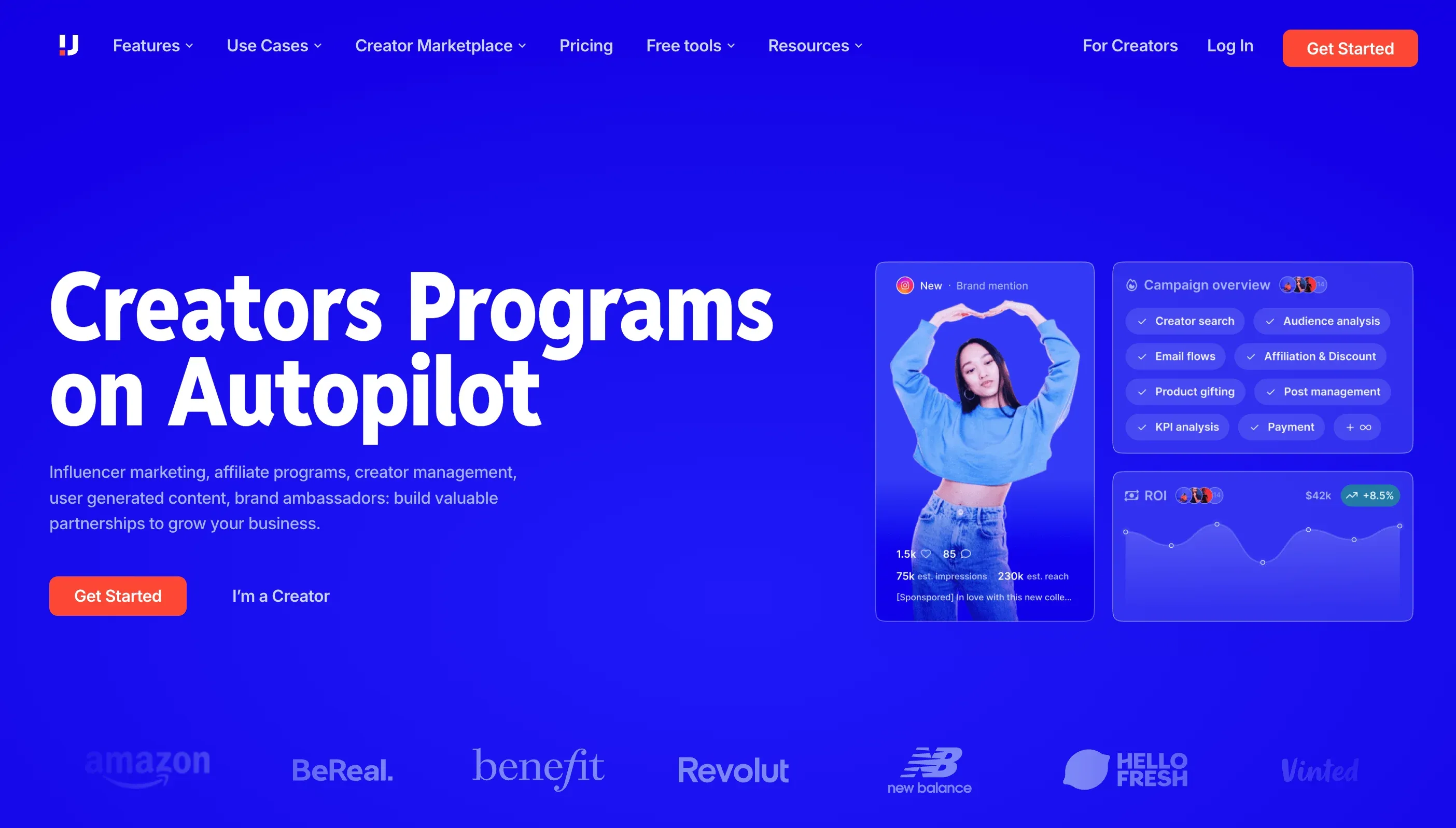
Upfluence leverages customer data by integrating with email marketing software and CRM tools. It helps brands identify loyal customers as influencers—a high-ROI strategy.
Pricing:
Custom pricing is accessible for mid-sized businesses.
Best Use Cases:
Brands with existing customer bases are aiming to launch ambassador programs.
Platform #7: Aspire
Features:
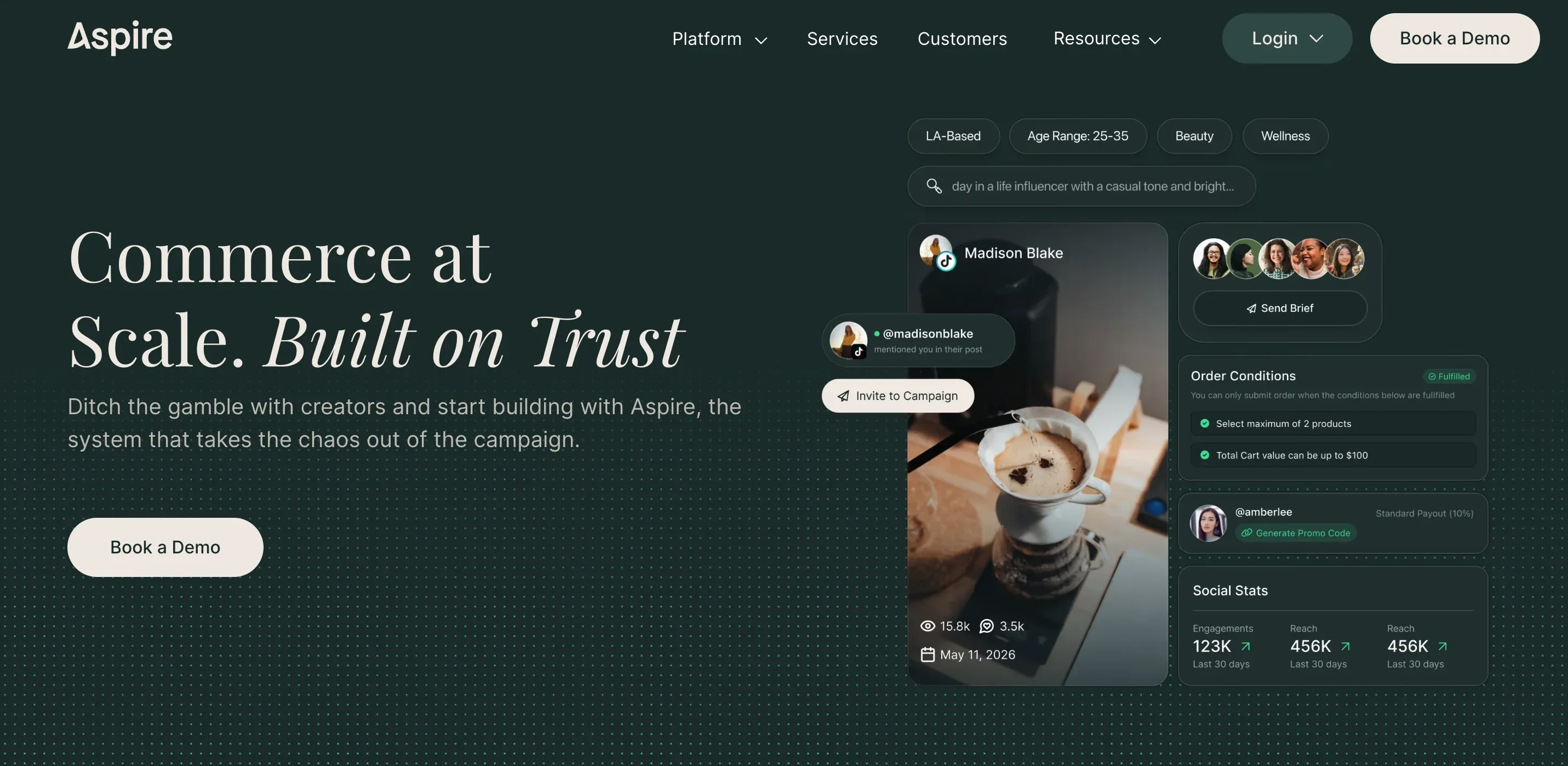
Aspire (formerly AspireIQ) focuses on word-of-mouth marketing. It automates product shipping and content approvals, emphasizing long-term influencer relationships over one-off campaigns.
Pricing:
Custom pricing, scaling for enterprise packages.
Best Use Cases:
Brands scaling user-generated content (UGC) and long-term ambassador communities.
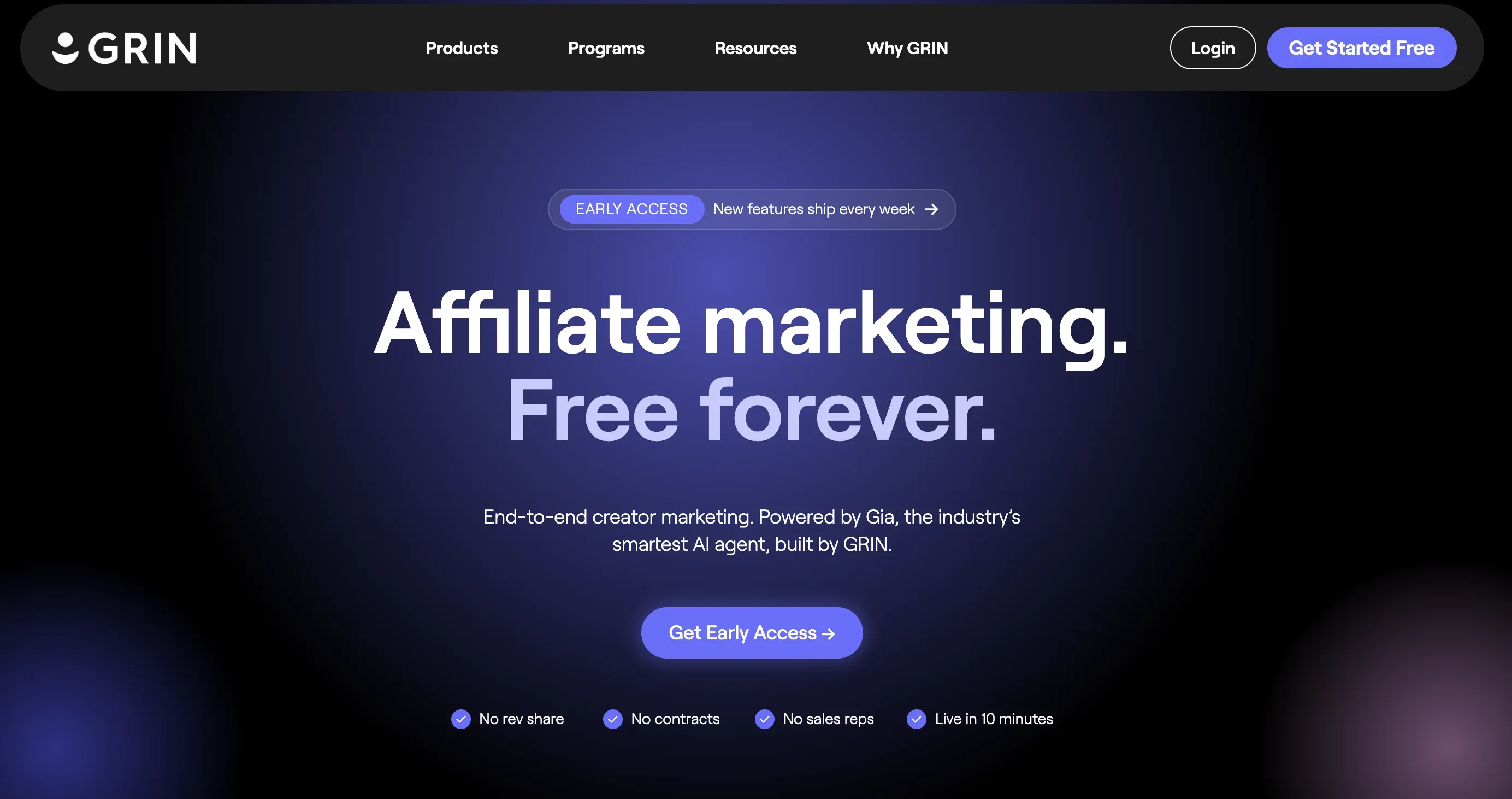
Platform #8: Grin
Features:
Grin is a creator management platform that removes intermediaries, letting brands manage direct influencer relationships. It integrates with e-commerce platforms to track the impact on sales.
Pricing:
Custom pricing, ideal for brands with dedicated marketing budgets.
Best Use Cases:
DTC brands are seeking precise tracking of influencer-driven revenue.
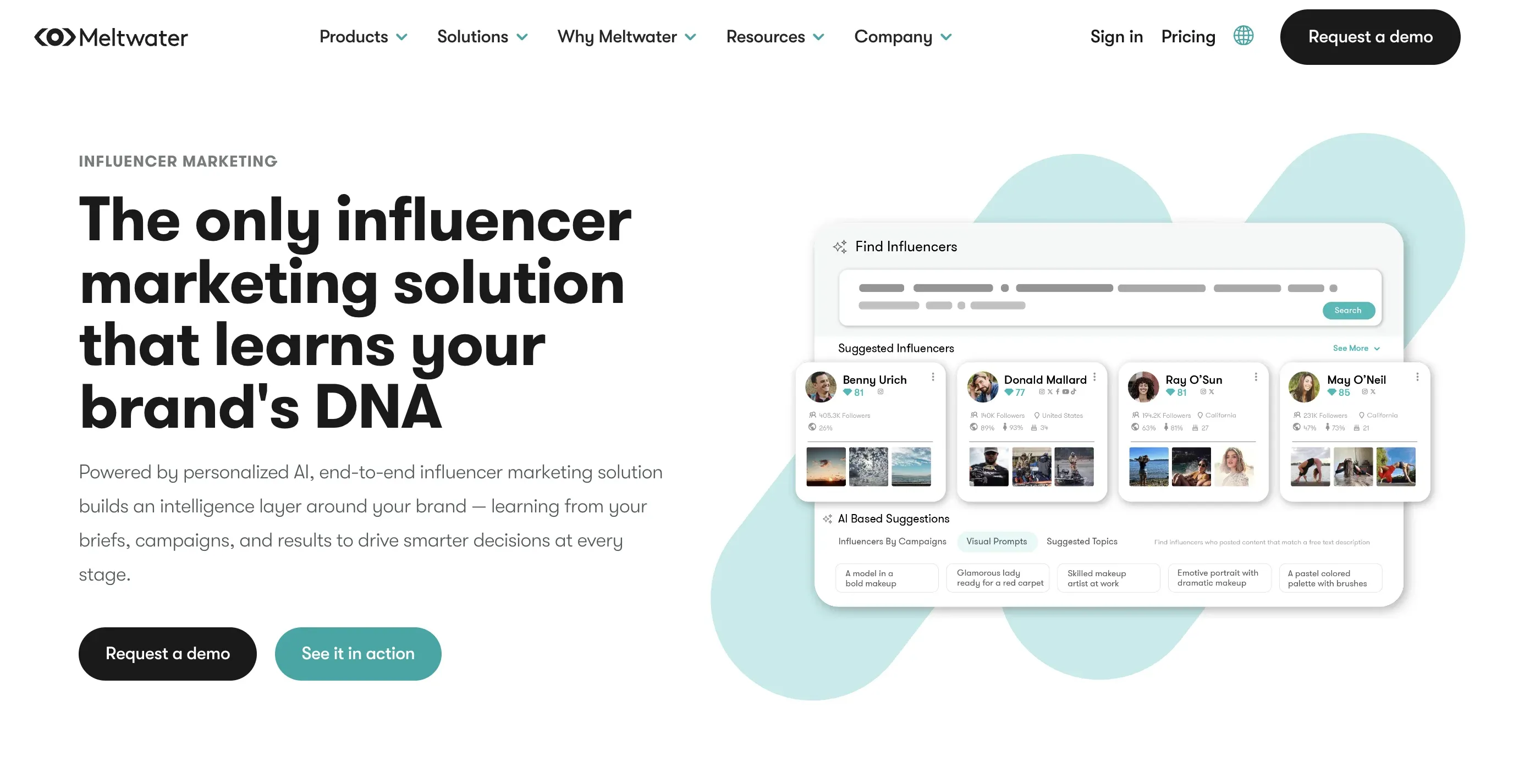
Platform #9: Meltwater (former Klear)
Features:
Meltwater (former Klear) excels at social listening, helping brands discover influencers who are already discussing their brand or competitors. Its visual interface is beginner-friendly.
Pricing:
Custom pricing, typically mid-range.
Best Use Cases:
Agencies and brands need competitive intelligence and influencer monitoring.
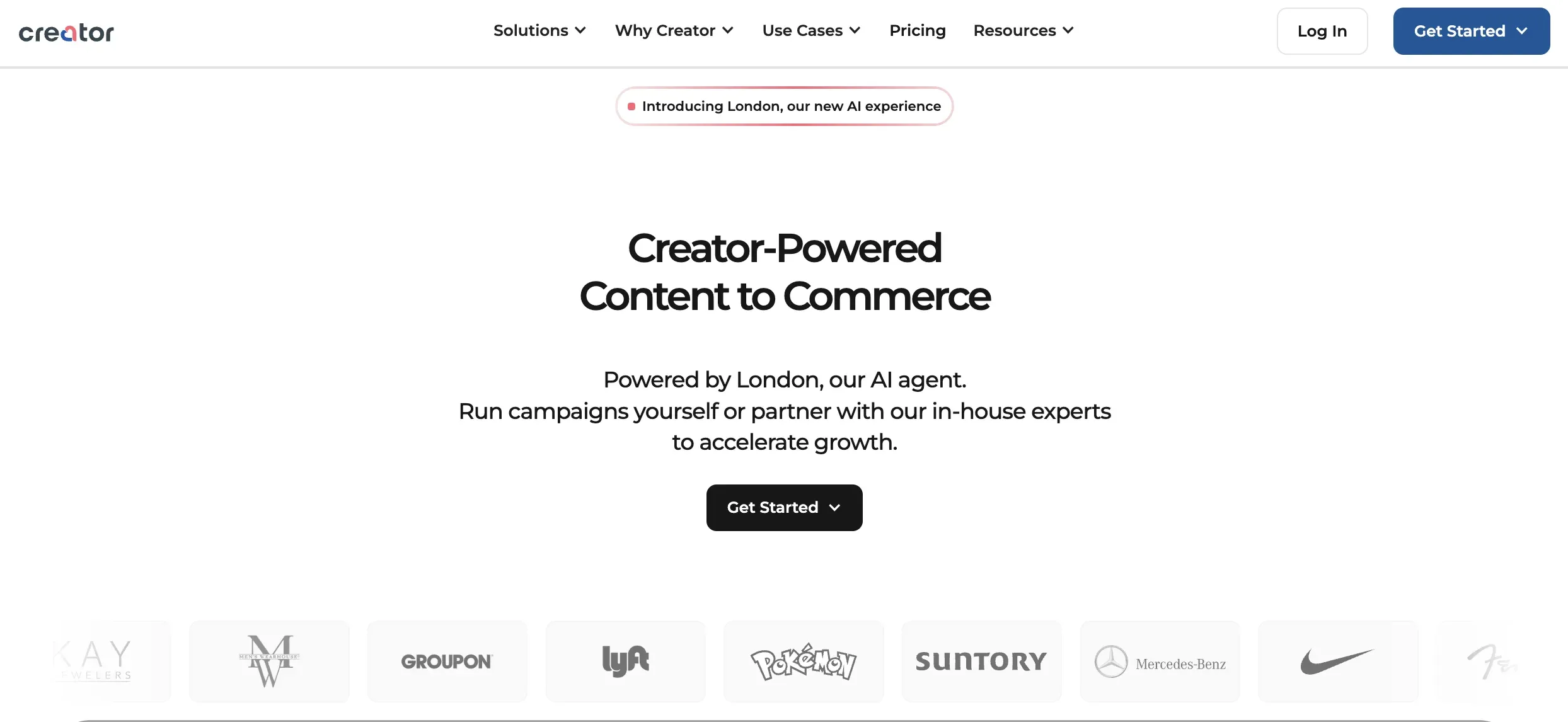
Platform #10: Creator.co
Features:
Creator.co offers campaign automation for a hands-off approach. The platform combines algorithmic management with a team-support model, blending features of both a platform and an agency.
Pricing:
Starts around $199/month for self-serve.
Best Use Cases:
Solopreneurs or small teams with limited time but a budget for influencer campaigns.
Why Consider Using Influencer Marketing Platforms?
In 2026, an influencer marketing platform is no longer just a database of creators; it’s a full workflow automation system. The best influencer marketing platforms now bridge the gap between brands and creators, managing everything from discovery and outreach to contracts and payments.
The Shift to Marketplace Models
Traditional platforms focused on expensive subscriptions just to access influencer lists. Today, many of the most budget-friendly influencer marketing platforms have shifted to a marketplace model.
Instead of cold outreach, brands can simply post a campaign brief and have influencers apply directly. This “inbound application” approach significantly reduces both time and acquisition costs, making it especially valuable for any influencer marketing platform in a small-business strategy.
Key Benefits for Small Businesses
- Verified Influencer Data: Modern platforms help filter out fake followers and low-quality engagement using API-based verification. This ensures you’re working with real creators who can actually drive results.
- Secure Payment Protection: Most platforms use escrow systems in which funds are released only after content is delivered and approved, helping small businesses manage risk and protect their budgets.
- Campaign Automation with AI: AI-powered tools now automate key workflows such as drafting outreach messages, generating contracts, and organizing shipping logistics. This reduces manual work and allows small teams to run campaigns as effectively as larger brands.
How to Choose the Right Influencer Marketing Platform on a Budget?
When every dollar counts, you can’t afford "shelfware"—software you pay for but never use. Here’s how to pick the best influencer marketing platform for a small business without overspending:
Subscription vs. Transaction Fees
Some platforms charge $0 per month but take a percentage of influencers' payments (half-agency-like services). Others (like Scrumball) charge a flat monthly fee but take 0% commissions.
Tip: Run sporadic campaigns? Go transaction-based. Running "always-on" campaigns? A subscription plan usually makes more sense.
Gifting vs. Cash Payments
Are you willing to pay influencers cash, or would you rather trade products for content?
Platforms like Shopify Collabs and Social Cat excel at product seeding (gifting), which is the most affordable way to start.
Tip: If you’re just testing influencer marketing or have a tight budget, start with gifting, then scale to cash payments as campaigns prove ROI.
Platform Focus
Don’t pay for a generalist tool if you only need TikTok creators. Niche platforms often offer better pricing and access to higher-quality creators for specific channels like TikTok Shop or Instagram Reels.
Tip: Look for platforms that combine affordability with features you’ll actually use. This ensures you get ROI from every campaign while avoiding wasted software spend.
Tips for Maximizing ROI on Budget Influencer Marketing Platforms
Leverage Product Seeding
In 2026, cash is king, but product is queen. Use the best influencer marketing platforms for small businesses, such as Social Cat or Shopify Collabs, to send free products to 50–100 nano-influencers. Even if not every influencer posts, the cost of goods sold (COGS) is much lower than paid ad rates. Start small and track which influencers drive the most engagement— a single viral post from seeded products can cover your entire inventory cost.
Focus on Usage Rights, Not Just Reach
When using budget-friendly platforms like JoinBrands or Collabstr, always review Usage Rights. Make sure you can download influencer content and repurpose it for Facebook, TikTok, or Instagram ads. Prioritize platforms that offer clear content licensing options, as this extends the life and ROI of every piece of content far beyond the initial post.
Automate Affiliate Payouts
Avoid manually calculating influencer commissions. Platforms like Shopify Collabs and Afluencer handle payouts, tax forms, and reporting automatically. Setting up automated commission rules saves time, reduces errors, and keeps influencers happy, helping maintain long-term collaborations and consistent ROI.
FAQ
What is the absolute cheapest influencer marketing platform?
For Shopify users, Shopify Collabs is technically the cheapest since it’s free with a Shopify subscription. For non-Shopify brands seeking a robust standalone tool, platforms with free tiers and budget-friendly options, such as Scrumball, are the best entry points.
Are these platforms safe to use?
Yes. All listed platforms use secure API integrations with Instagram and TikTok, as well as trusted payment gateways like Stripe. Funds are usually held in escrow, so influencers get paid only after you approve the work.
Is Scrumball suitable for beginners?
Absolutely. Scrumball’s intuitive interface guides users through discovery, outreach, and campaign management, making it ideal for teams with no prior influencer marketing experience.
Why aren’t Grin or Traackr on this list?
Grin and Traackr are excellent enterprise-level solutions, but their contracts typically start at $20,000+ per year, which doesn’t fit the "budget-friendly" or "best small business platform" criteria.
Can I manage Instagram and TikTok campaigns on these platforms?
Yes. Most modern platforms, including Scrumball, Grin, and Upfluence, support multi-platform campaigns across Instagram, TikTok, YouTube, and often UGC.
Do I need a platform if I only work with a few influencers (like 5)?
If you manage fewer than 10 influencers, spreadsheets may suffice. But platforms like Scrumball become essential once you scale, as manual tracking of posts, stories, and payments quickly becomes unmanageable.
How does AI help on these platforms?
AI analyzes millions of data points to predict which influencers are likely to drive actual sales, not just vanity metrics like follower count. It can also draft personalized outreach messages to boost response rates.
Can I really get influencers for free?
Technically, yes, through product gifting. Keep in mind, "free" still means covering the product and shipping costs. Nano-influencers (1k–10k followers) are most likely to accept product-only compensation.
Do I need a contract when using these platforms?
Most platforms, including Scrumball, Collabstr, Social Cat, and Heepsy, operate on monthly subscription or per-transaction models, allowing small businesses to cancel at any time, which is ideal for managing cash flow.